
Emerging Media - RSA Project
Ten million women around the world develop Pre-eclampsia every year. It is estimated that 76,000 women and 500,000 babies die from the condition and if you live in a developing country, the mortality rate is between 10 – 25% (Pre-eclampsia.org, 2023). How can digital media help? A simple app design that can track symptoms and offer information could help women and their families, especially in alliance with healthcare providers.
Table of Contents
1.0 Introduction
This assignment is based on the Royal Society of Arts Design Awards scheme, which encourages students to choose from one of nine topics to inspire innovation with regard to social, environmental and economic issues. The design brief is formulated from the first category – All Being Well. This involves democratising health and wellbeing; “creating the condition and tools for individual to help themselves, their loved ones and multiple generations” (Royal Society of Arts, 2023). The project aim is to fulfil the brief by the design of a pregnancy app for patients that require extra monitoring for pre-eclampsia, a potentially life threatening condition that can affect pregnant women and their babies.
The app design will focus on Plattner’s Five Stages of Design Thinking – empathise, define, ideate, prototype and test (Dam, 2022) to provide structure for development. The assignment is a reflective study and integrates Kolb’s Reflective Learning Cycle (1984) of planning, doing, reflection and conceptualisation with the purpose to gain insights and conclusions throughout the process. The project will draw upon the experiences gathered from self-study and personal journal entries (links in text and Appendix A). The project considers Sustainable Development Goal 12 to ensure sustainable consumption and production patterns in alignment with the United Nations for worldwide transformation (United Nations, 2023).
The next section (1.1) provides the background, initiating the empathy phase of the end user. Section (1.2) looks at how pre-eclampsia is monitored, section (1.3) considers the global impact of pre-eclampsia and section (1.4) provides the rationale for app development.
1.1 Background (Empathise)
The medical condition pre-eclampsia is a life threatening condition affecting women and babies in pregnancy, usually developing from 20 weeks gestation and occasionally post birth. It is diagnosed by high blood pressure readings and proteinuria (protein in the urine). It can also present with severe headaches, visual disturbance, pain below the ribs, vomiting and the sudden swelling of feet, ankles and hands. There is a higher risk in mothers over forty years of age, a first pregnancy, a ten year gap between pregnancies, a BMI of thirty-five or more and a family history of the condition. The condition if unmonitored can result in convulsions leading to possible brain damage, stroke, lung, kidney and liver damage. It can affect foetal growth leading to neonatal respiratory distress syndrome and possible stillbirth (NHS, 2023).
The condition is complex, with genetic, clinical, social and environmental factors and is still a disease of theories, however, nutrition does interact with all these factors and in some cases certain vitamins and minerals may have a bearing in some cases, although not all (Kinshella, 2023).
The condition cannot be resolved until the baby is delivered and affects eight percent of women (RCOG, 2023) and thus close monitoring and rapid treatment is essential.
1.2 Monitoring Pre-eclampsia
Pregnant women receive extra health checks to ensure the safety of mother and baby (Fig.). Women susceptible to pre-eclampsia will find that their health checks increase, with further testing carried out in hospital. As the condition can rapidly progress, a tracker could help women take daily readings, especially of their blood pressure, which is one of the main indicators of the condition.
There are watches and wrist blood pressure monitors available but for accurate, medical readings blood pressure has to be taken at rest with an arm cuff monitor at heart level. (Preeclampsia.org, 2023).

Urine Testing
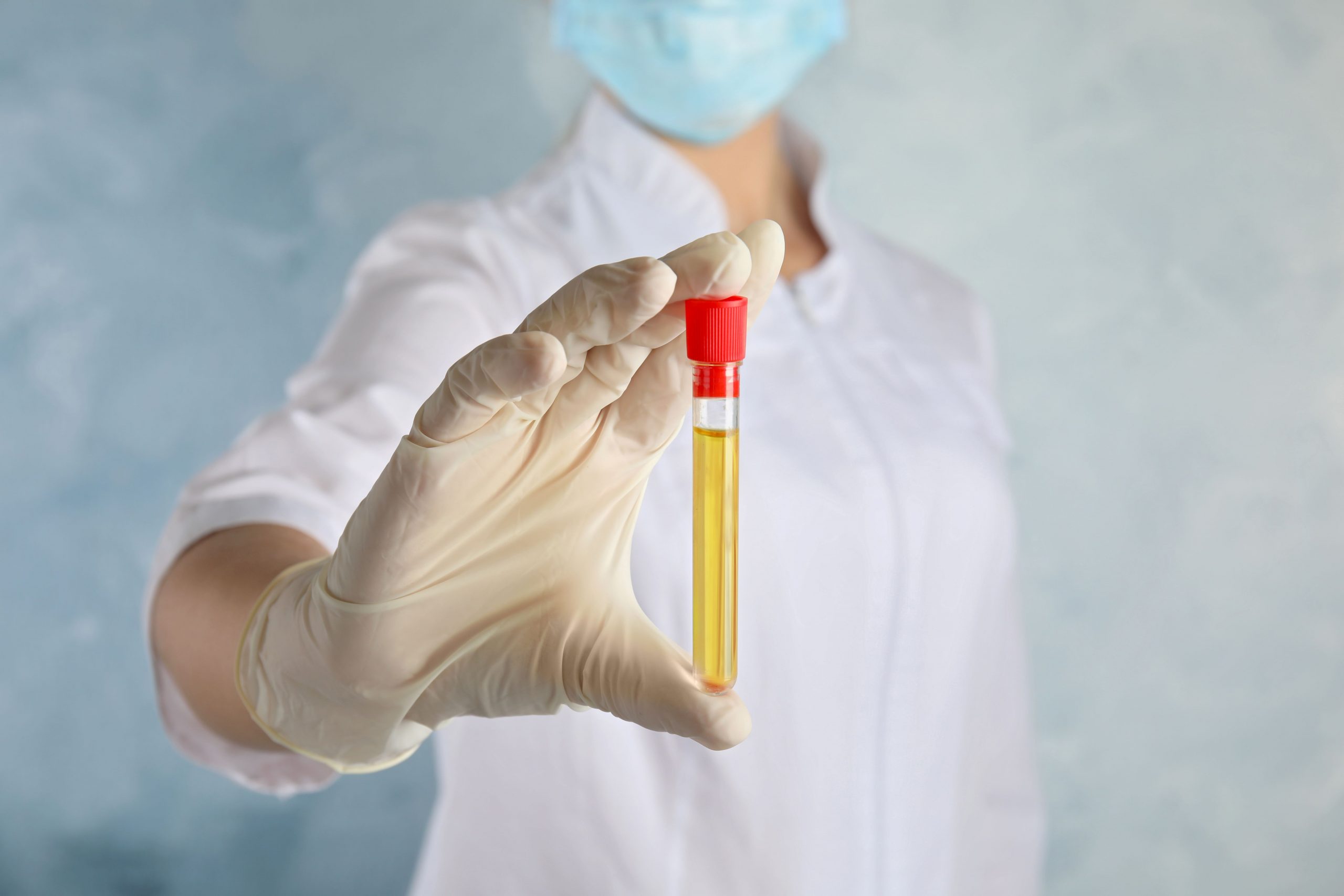
Routine urine tests for extra protein, which is symptomatic of pre-eclampsia.
Blood Draw
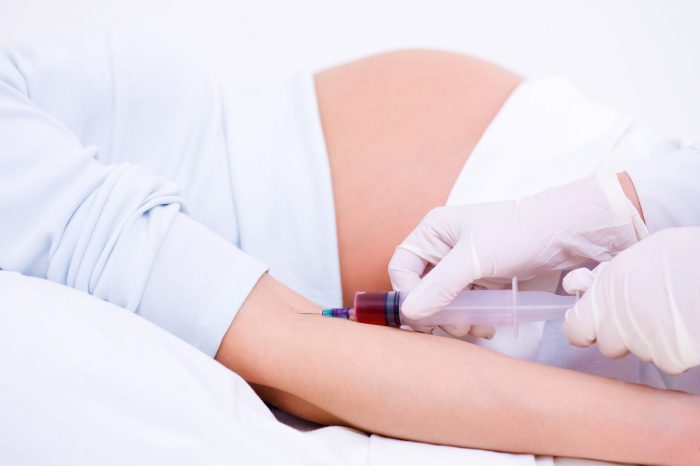
Blood is taken to check possible changes to the liver and platelets.
Ultrasound Scan
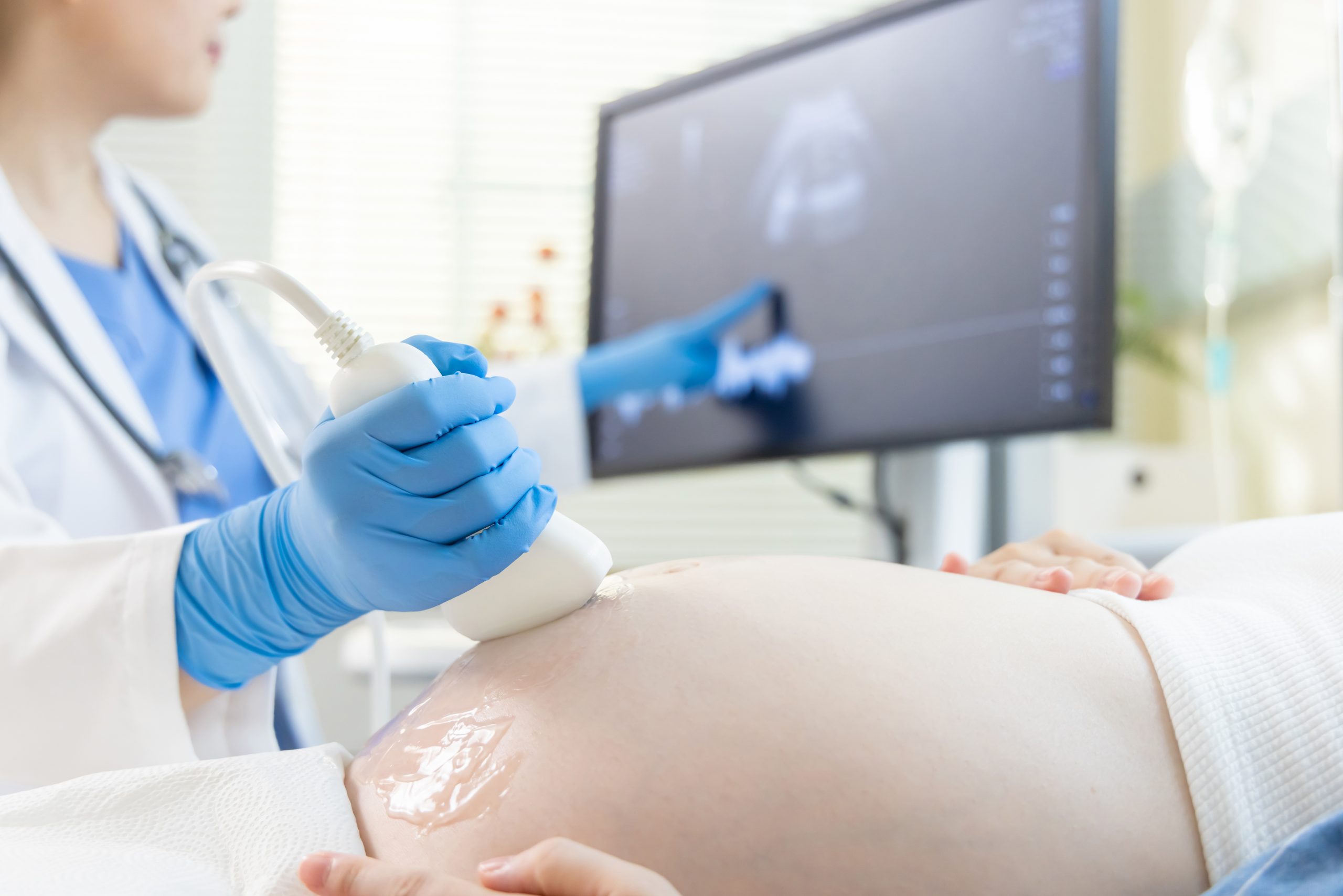
Ultrasound scans check foetal development.
Blood Pressure
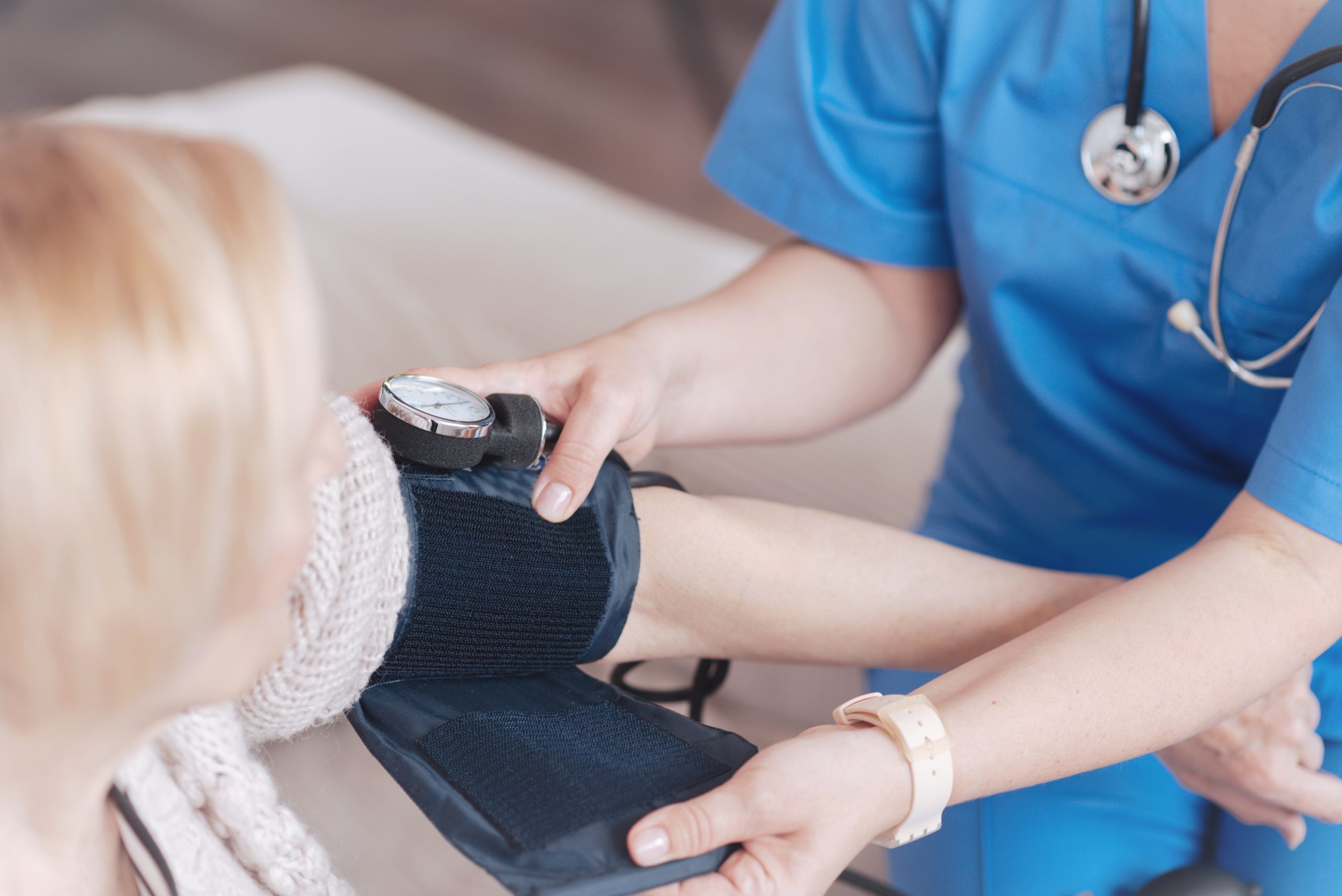
Blood pressure readings of 140/90 need to be monitored and readings of 160/110 require immediate medical attention.
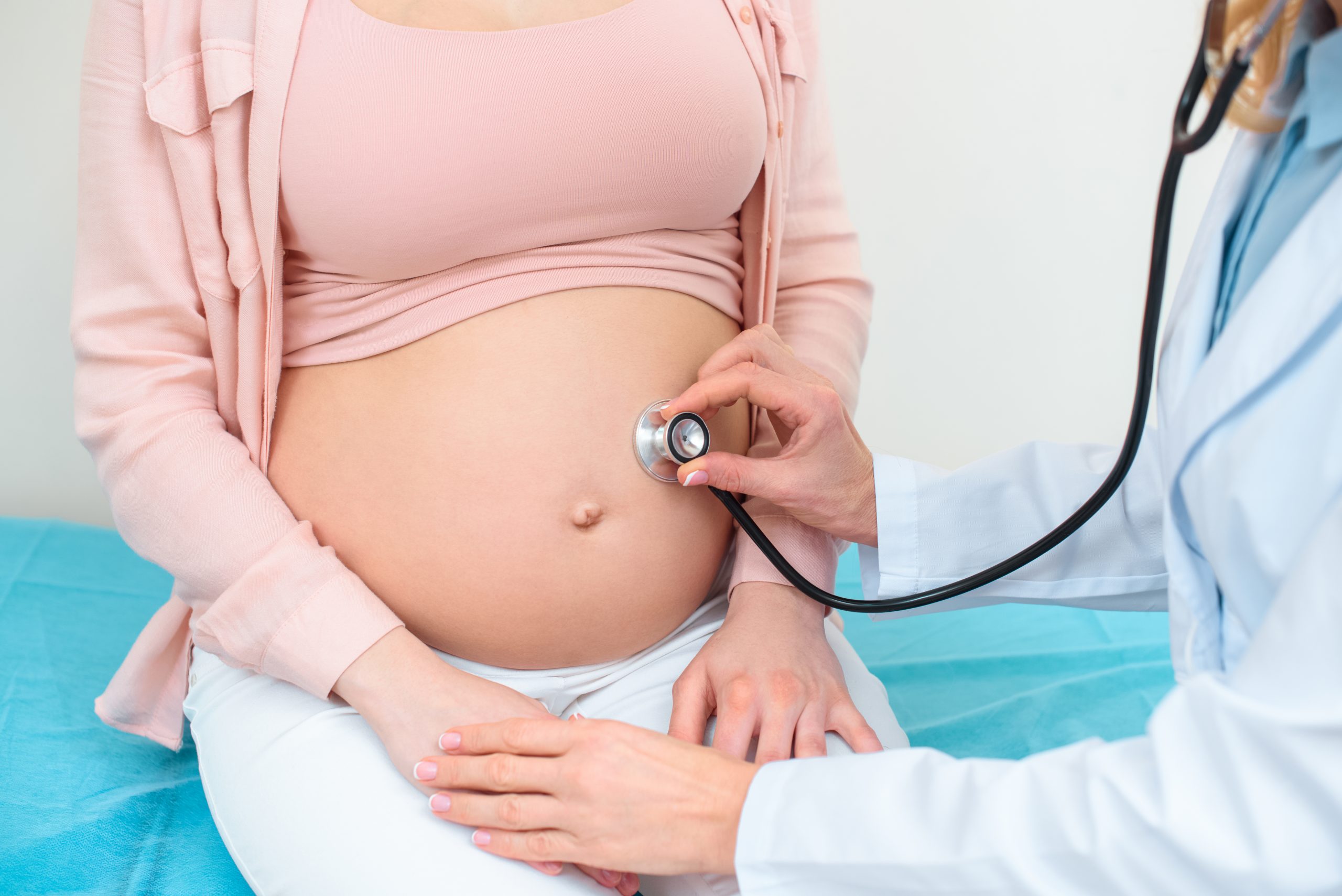
Foetal Heartbeat
Foetal heartbeat monitoring is carried out in general midwifery examinations, but can be carried out continuously in hospital.
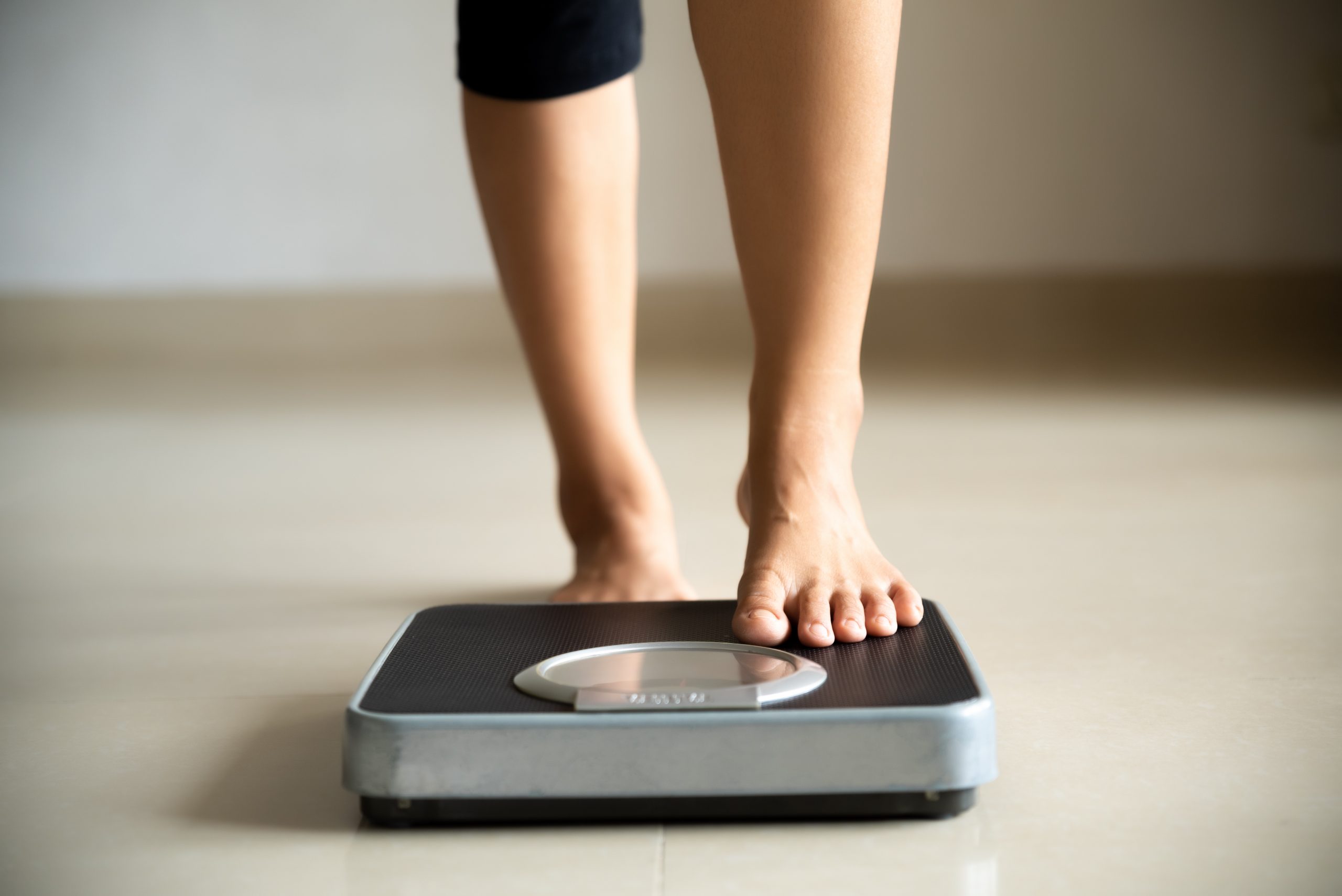
Weight
Weight gain is monitored in general examinations but a sudden rise in a short
time can be be an indicator or pre-eclampsia.
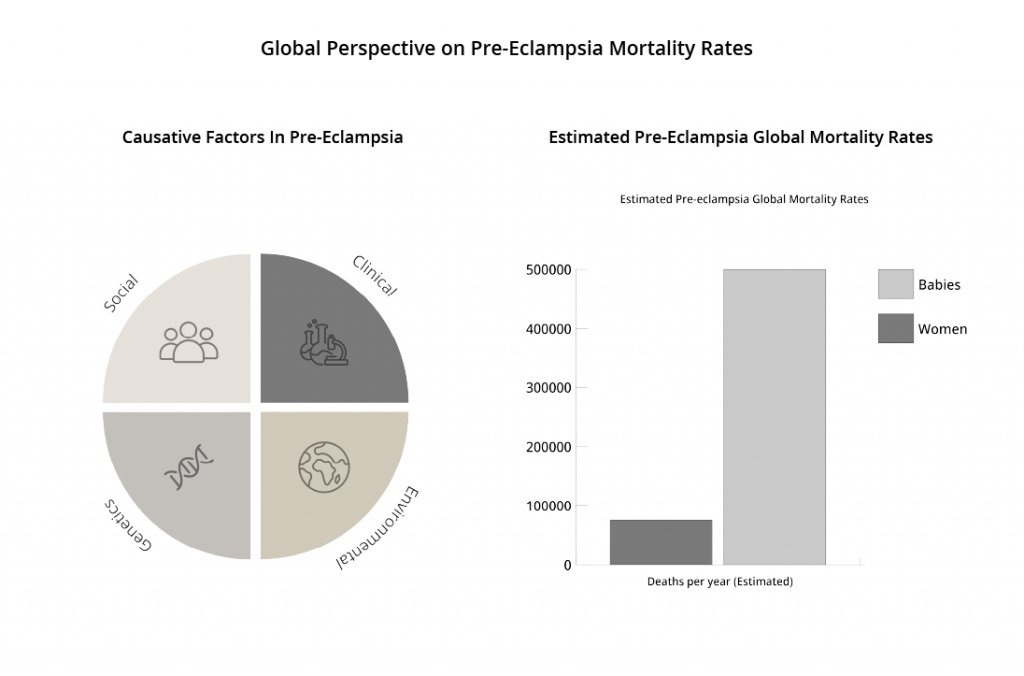
Fig.3 Health Examinations in Pregnancy – (Heugh, 2023)
1.3 Global Implications
- Ten million women develop preeclampsia each year around the world.
- The death rate is around 76,000 women and 500,000 babies each year.
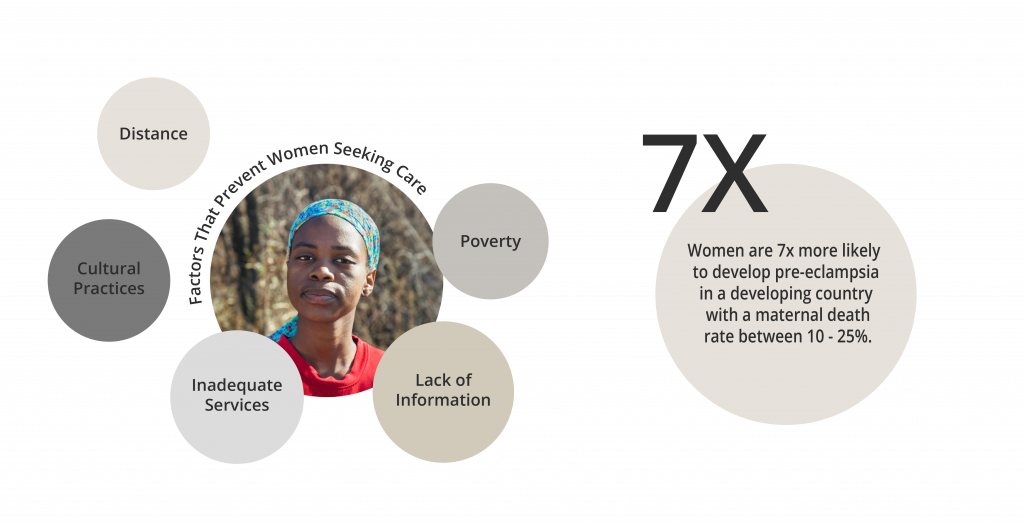
- A woman is seven times more likely to develop pre-eclampsia in a developing country with 10-25% of cases resulting in maternal death.
- There are five main factors that prevent women from seeking adequate care: poverty, distance from healthcare services, cultural practices, lack of information and inadequate healthcare (Preeclampsia Foundation, 2023). Please see Fig. .
The pregnancy app market has become a huge global industry with most women in high income countries using them (Hughson et al., 2018). It has been cited that over fifty percent of pregnant women use a pregnancy app to obtain information on pregnancy and childbirth with the Covid-19 pandemic and technology use changing the way women receive pre-natal care to maintain or increase reassurance (Frid et al., 2021). However, research suggests that literacy in technology, health and language may result in a lower uptake of usage in non-speaking English women and those in lower income categories. There is also a gap in the development of pregnancy apps that are relevant to a localised health care context that provides reliable information (Hughson et al., (2018), suggesting that health care professionals need to engage in app development in specialist areas as there is a growing trend for women to use these resources during their pregnancies.
The next section (2.0) continues the discovery phase researching a general overview of mobile health (mHealth) and pregnancy apps available in the United Kingdom.
2.0 Research
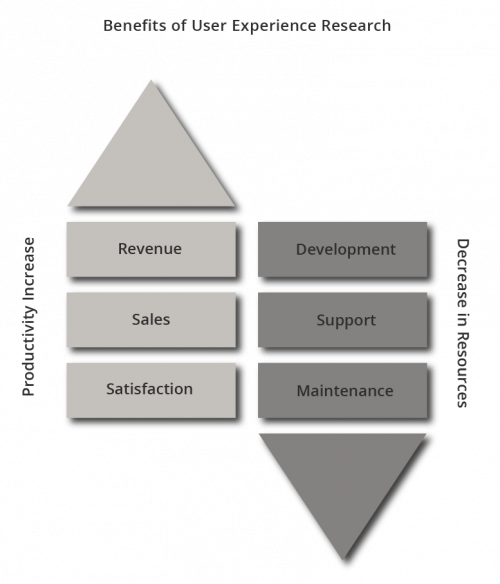
Research may be defined as a systemic process in gathering and interpreting information. It provides an explanation of what is reviewed and why, thus defining reasoning and limitations in the topic being researched (Saunders et al., 2015). User Experience Research (UXR) in particular can play a critical role in improving User Experience (UX) with specific benefits (see Fig. ) such as increased productivity, sales and revenue and customer satisfaction whilst lowering training, support, development and maintenance costs (UXPA 2023). In this assignment research has been applied to:
- An overview of the mHealth pregnancy app market.
- Comparison of two pregnancy apps on Google Play Store.
The next section (2.1) looks at an overview of the mHealth app market.
Please view Emerging Media – Research – Marketing Branding | Designer Digital for journal entry.
2.1 Mhealth App Market Overview
There has been a surge in the study of mHealth or mobile health, where internet based devices have become important sources of health information (Buchanan et al., 2021). This is also reflected in the proliferation of scholarly articles available. A search on Google Scholar returns over 65,000 results for the term mHealth apps and 500 returns for the term “pregnancy apps” from 2020 – 2023. In the preceding three years (2016 -2019), the results are 35,000 for mHealth apps and 272 for pregnancy apps. However, the ratio appears to be the same at around 7% for pregnancy apps in mHealth enquiry.
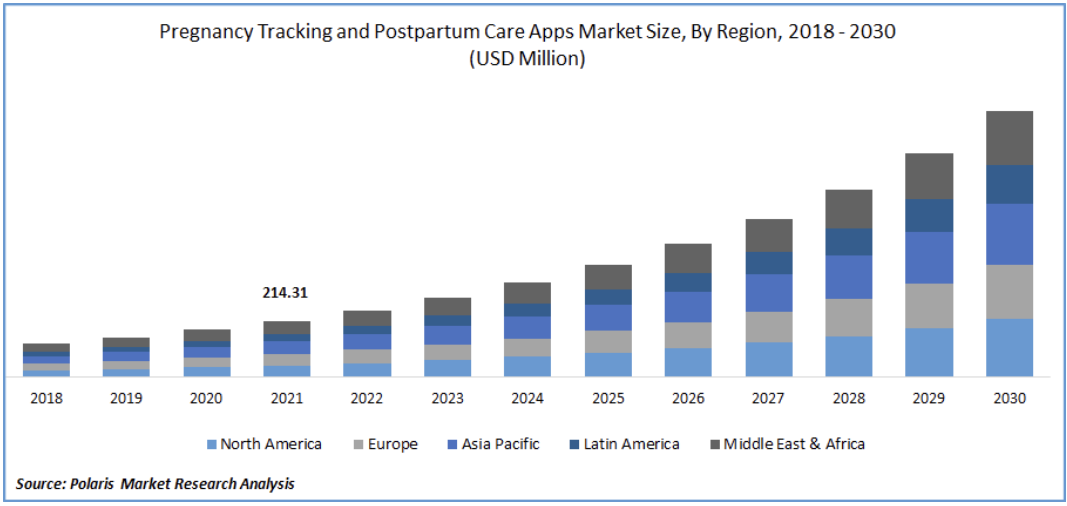
As of 2021 more than 400,000 health related apps were available in major app stores, revealing a market interest in health applications (Buchanan et al., 2021). Polaris Market Research (2022) valued the global pregnancy tracking and postpartum care app market at USD 214.31m in 2021 (Fig. – Polaris Market Research, 2022) and is expected to grow at a compound annual growth rate (CAGR) of 18.8% by 2030. It is cited that over 50% of women use pregnancy apps and that the Covid-19 pandemic changed the way women received prenatal care (Frid et al., 2021) suggesting mobile apps supplement primary care for information and reassurance. Popular magazines such as Women’s Health – These 11 Pregnancy Apps Will Help You Navigate Expecting (womenshealthmag.com) and Cosmopolitan – Best pregnancy apps: Our pick of pregnancy apps for parents-to-be (cosmopolitan.com) have run articles on the features of pregnancy apps indicating mainstream acceptance of their use.
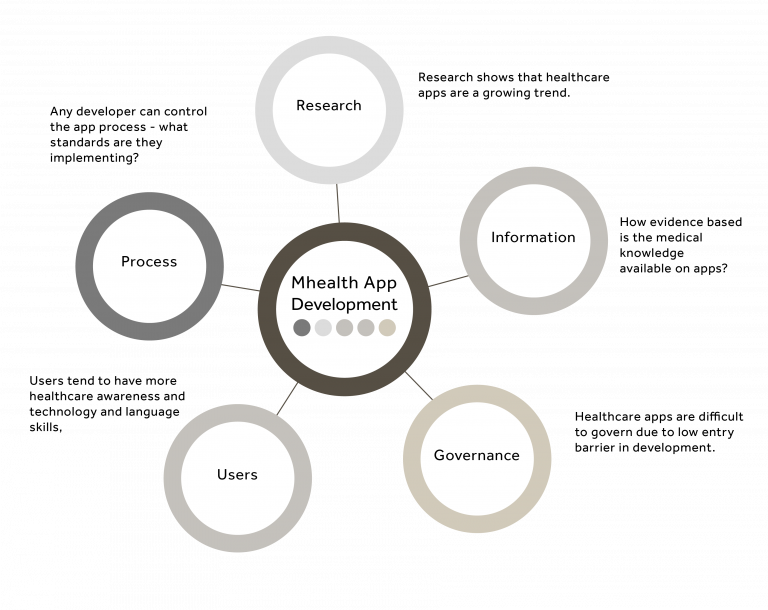
However, there are concerns about the medical accuracy of mHealth apps. Bert et al., (2016) ascertained a lack of evidence that pregnancy apps were based on reliable medical authority, a position congruent with Magrabi et al., (2019), who found that healthcare apps were difficult to govern. There is a low barrier to entry in the development and building of healthcare apps. Socio-technical disparity therefore provides challenges to formalising development processes and clinical governance. The infographic below indicates some of the issues that the development of health apps encounter. The next section compares features and design elements of two popular pregnancy apps listed on Google Play Store.
2.2 Comparison of Pregnancy Apps
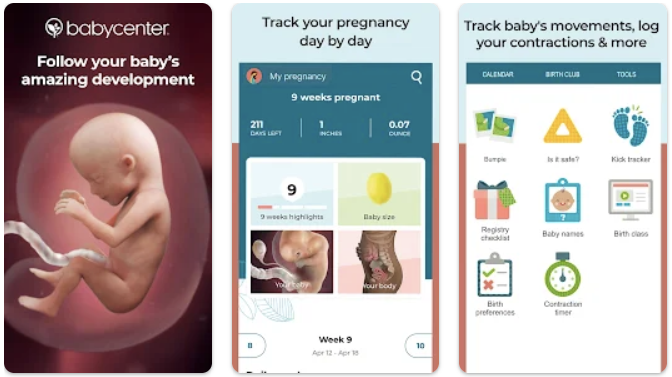
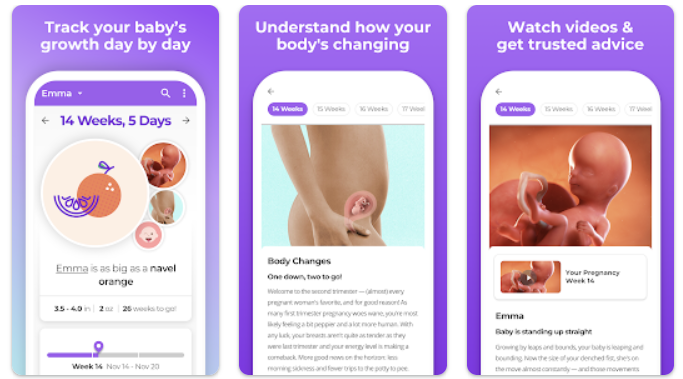
A comparison of two popular apps was undertaken; Baby Centre (Fig. 8) and What to Expect (Fig.9) downloaded from the Google Play Store (2023). The comparative information provided feedback on app features, design and usability, that informed the design process. Please view journal entry https://designerdigital.uk/emerging-media-ux-ui-research/ to view the investigative process. Although the app designed for the RSA project is a medical app to record data and inform potentially vulnerable patients, general market research was used to guide development in popular design trends and features that would provide a familiar and user friendly interface for patients.
2.3 App Research Summary
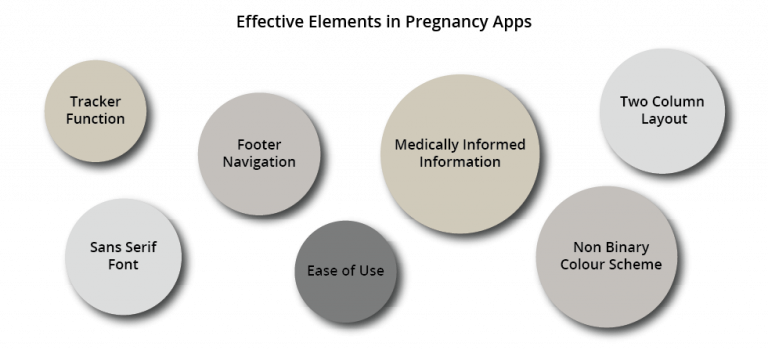
The research has revealed that there is demand for pregnancy apps to help women throughout this period in their lives and is continuing to grow (Polaris Market Research, 2022). Tracker functionality and informative articles appeal to users as well as being easy to use. Design colours were non-binary, neither pink or blue and appeal to all users. A two column layout with footer navigation are familiar to users on mobile phones due to the lack of real estate and therefore aid in the design process by being recognisable and easy to navigate (Fig.10).
The next chapter (3.0) draws on the last two sections to formulate the target user and the defining phase.